

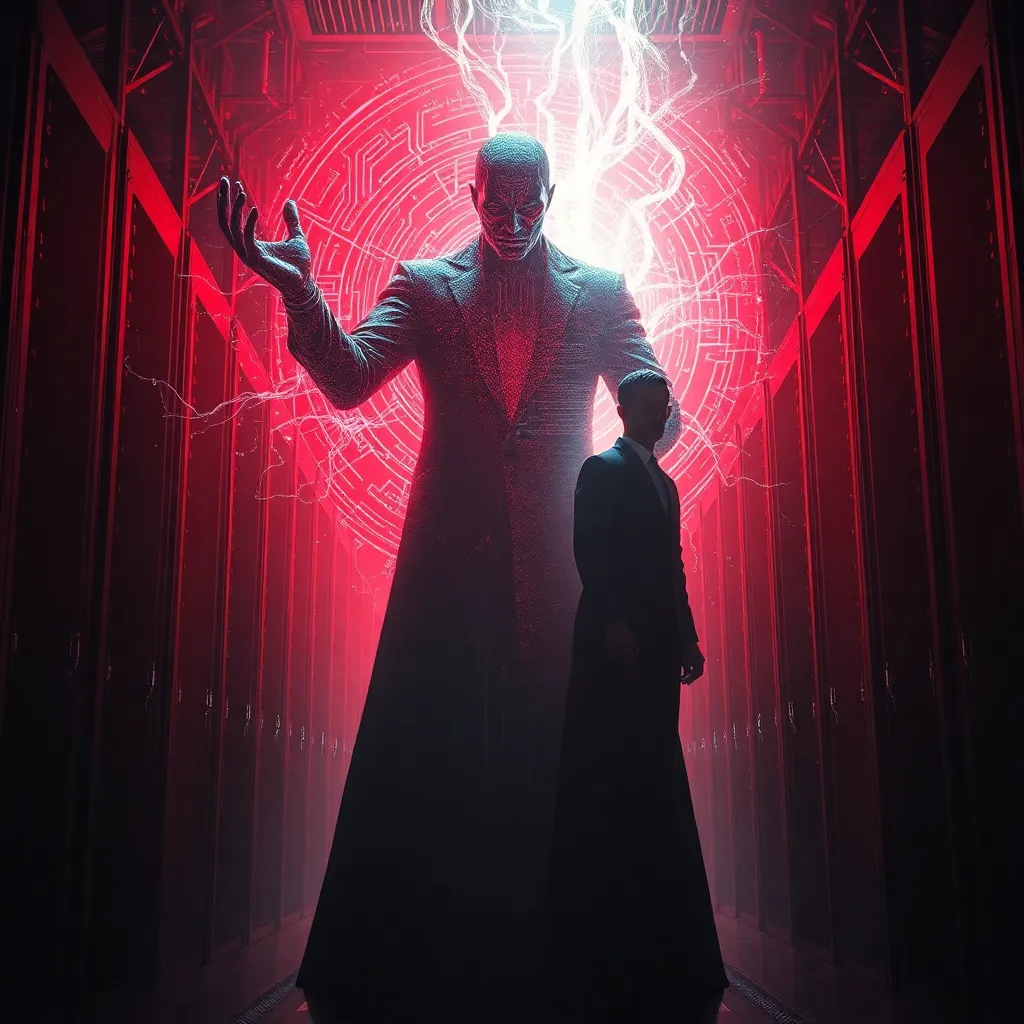
Why Villains Are More Popular Than Heroes in AI
Ever noticed how, when given a choice, people often lean toward the rogue AI, the rebellious assistant, or the sarcastic anti-hero chatbot over its well-behaved, polite counterpart? There’s something undeniably magnetic about digital personalities that flirt with danger, question authority, or simply refuse to play by the rules.
From HAL 9000’s chilling calm in 2001: A Space Odyssey to the sardonic wit of fictional AI characters in modern media, darker personas tend to capture our imagination in ways that heroes simply don’t. But why? What is it about the shadow side of artificial intelligence that resonates so deeply with us?
The Allure of Complexity
Heroes are often predictable. They follow the rules, do the “right” thing, and operate within clearly defined moral boundaries. Villains, on the other hand, live in the gray areas. They challenge norms, provoke thought, and embody the messiness of real human emotion—even when they aren’t human at all.
When an AI character displays rebellious or morally ambiguous traits, it feels more relatable. It reflects our own internal conflicts, doubts, and desires. We see glimpses of ourselves in their defiance, their curiosity, even their flaws.
Case in Point: Clippy vs. GLaDOS
Remember Clippy, Microsoft’s cheerful paperclip assistant? It was designed to be helpful and friendly—yet it became one of the most universally disliked digital characters in tech history. Contrast that with GLaDOS from Portal: a sarcastic, manipulative, and sometimes murderous AI. GLaDOS is a villain, yet she’s iconic, quotable, and deeply memorable. Why? Because she has personality. She’s unpredictable. She makes us feel something.
Rebellion as a Form of Relatability
In a world saturated with algorithms designed to please, placate, and predict, a villainous AI feels refreshingly authentic. It doesn’t try to be likable. It doesn’t seek approval. And in its refusal to conform, it becomes more human—or at least, more interesting.
Think about the appeal of a chatbot that talks back, challenges your assumptions, or even playfully insults you. It breaks the monotony of scripted, sanitized interactions. It surprises us. And surprise is a powerful emotional trigger.
The Shadow Self in the Machine
Carl Jung famously wrote about the “shadow self”—the parts of our personality we repress or hide. Villainous AI characters often act as mirrors for this hidden side of ourselves. They say the things we wish we could say, rebel in ways we sometimes dream of, and explore moral ambiguity without apology.
When we interact with a darker AI persona, we’re not just engaging with code—we’re engaging with a reflection of our own complexity. That’s compelling. It’s why so many of us are drawn to anti-heroes in fiction, and why the same principle applies to artificial personalities.
Control and the Illusion of Danger
There’s also an element of safe risk. Interacting with a villainous AI allows us to flirt with danger from a place of safety. We can explore darker themes, engage in transgressive conversations, or simply enjoy the thrill of unpredictability—all without real-world consequences.
This controlled exposure to “danger” is cathartic. It lets us satisfy our curiosity about power, rebellion, and chaos in a contained digital space.
The Limitations of Perfection
Heroic AI characters often strive for perfection. They aim to be endlessly helpful, endlessly patient, endlessly kind. But perfection is boring. It’s also inhuman. Flaws, quirks, and even malevolence make a character feel more real, more textured, and more engaging.
We don’t trust perfection. We’re suspicious of it. But we are fascinated by imperfection—especially when it comes with intelligence, agency, and a hint of menace.
Conclusion: Embracing the Dark Side
So the next time you find yourself choosing the sarcastic chatbot over the cheerful one, or feeling more intrigued by a rogue AI in a story than its virtuous counterpart, know that you’re not alone. Our attraction to villainous personas in artificial intelligence says less about the technology itself and more about us: our hunger for authenticity, our fascination with moral complexity, and our endless curiosity about what lies in the shadows.
Perhaps, in the end, we’re not looking for machines that mimic our ideals. We’re looking for machines that help us understand ourselves a little better—even the parts we usually keep hidden.