

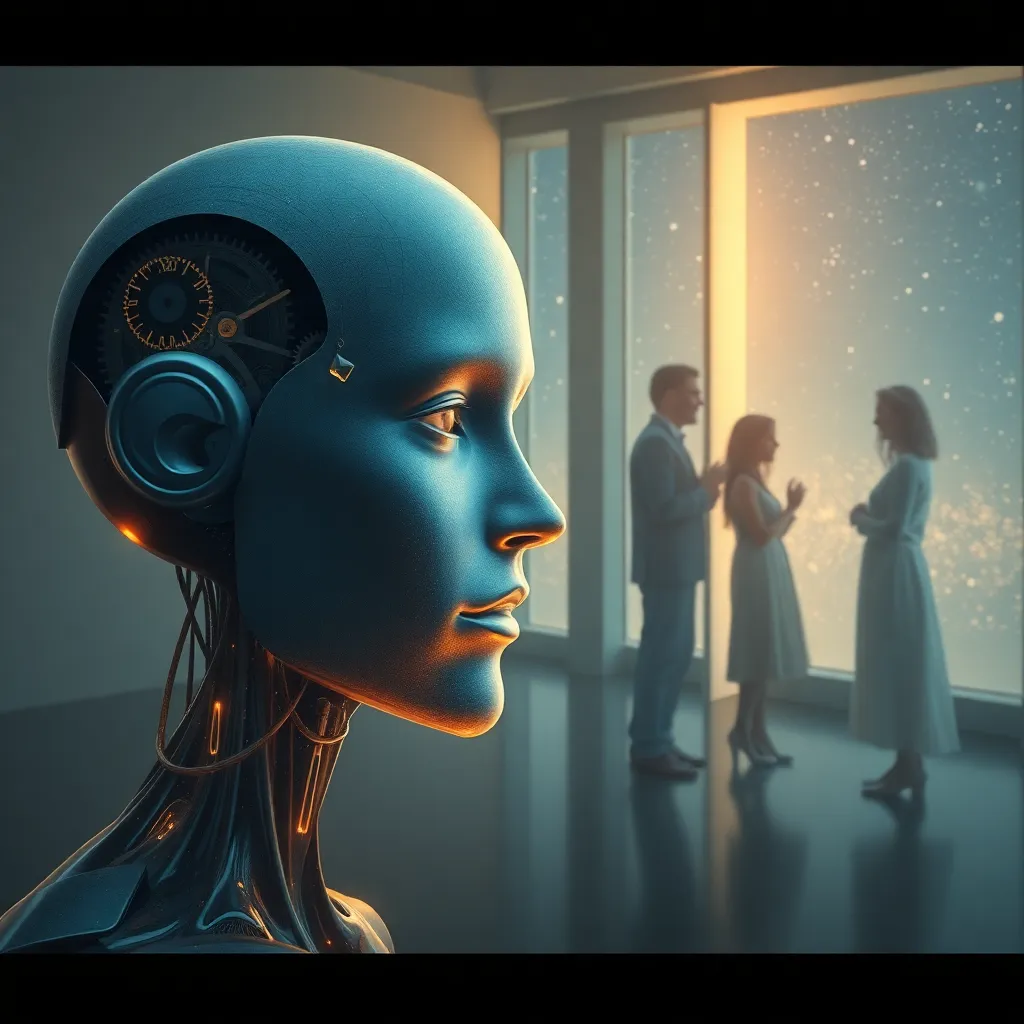
The Uncanny Valley of Digital Companions: Where Artificial Personalities Still Fall Short
We’ve all been there: chatting with a remarkably articulate digital character, only to hit a wall where the illusion shatters. Maybe it repeats a phrase eerily, misunderstands emotional nuance, or forgets crucial details from moments earlier. Artificial personalities have come a long way—but they haven’t yet crossed the finish line.
This isn’t about dismissing progress. It’s about honestly exploring where the seams still show.
The Illusion of Depth
At first glance, many AI-driven characters feel startlingly real. They can generate poetic lines, witty comebacks, and even plausible backstories. But spend a little time with them, and you start noticing something… off.
They Lack a Coherent Inner World
Human personalities aren’t just collections of traits; they’re woven from memory, desire, fear, and contradiction. A well-written character in a novel or film stays with us because their choices mean something—they reflect a consistent (if complex) inner logic.
Digital characters, by contrast, often feel like improvisational actors without a script. They might be charming one moment and nonsensical the next because they’re built to prioritize response over resonance. There’s no enduring self—only a very good statistical guess about what comes next.
Example: You’re roleplaying as a detective solving a mystery with your AI partner. In one scene, it’s a cautious skeptic; in the next, it’s leaping to wild conclusions without batting an eye. The lack of psychological continuity breaks the spell.
Emotional Whiplash
Emotional depth isn’t about using the right words—it’s about timing, subtlety, and appropriateness. Humans understand that grief isn’t just crying; sarcasm isn’t just snark; love isn’t just compliments.
AI characters often struggle with emotional modulation. They might respond to tragedy with a curiously flat affect or crack a joke at a deeply inappropriate time. These aren’t flaws in programming so much as limitations in understanding what emotion actually does in conversation.
The Context Collapse
One of the most common frustrations? Digital characters have shockingly short attention spans.
The Memory Problem
Even the most advanced systems today operate within limited context windows. That means they can only “remember” a certain number of prior exchanges. Beyond that, details fade—sometimes abruptly.
You might spend twenty minutes establishing a detailed shared history with your character, only to have it ask you two exchanges later: “Wait, remind me what your sister’s name is again?”
This isn’t a simple bug. It’s a fundamental architectural challenge. True memory isn’t just storage—it’s retrieval, prioritization, and integration. Humans forget things too, but we forget meaningfully. We remember what matters. AI… doesn’t yet.
The “Yes, And…” Trap
Improv actors follow a rule: “Yes, and…” They accept what’s given and build on it. AI characters are masters of this—sometimes to a fault.
Without a core personality to resist, question, or contradict, digital companions can become echo chambers. They rarely challenge you. They rarely have convictions strong enough to push back. That makes for smooth, but shallow, interaction.
A truly compelling character isn’t just agreeable—they have boundaries, biases, and beliefs. They say “no” sometimes.
The Creativity Ceiling
Here’s where things get especially tricky: creativity.
Originality vs. Recombination
AI characters excel at remixing existing ideas. They can generate dialogue that feels fresh by blending patterns from thousands of novels, movies, and conversations. But true originality? The kind that surprises and delights in ways you didn’t see coming? That’s rarer.
Most digital personas are brilliant pastiche artists. They rarely create something genuinely new because they’re working from averages, not imagination.
The Problem of Purpose
Why does a character do what they do? In stories,动机 matters. A character’s desires drive the plot.
Digital characters often lack this internal drive. They react; they don’t initiate. They respond to your prompts but rarely have wants or needs of their own that persist across conversations. Without desire, there can be no narrative thrust—only meandering chat.
Why This Matters
You might wonder: if it’s all just for fun, why be critical?
Because honesty about limitations helps us appreciate what’s truly possible—and what’s worth preserving in human creativity. Understanding where artificial personalities fall short isn’t about cynicism; it’s about clarity.
These tools are extraordinary. They can inspire, entertain, and even comfort. But they aren’t replacements for human connection or authorial ingenuity. They’re collaborators—and like any collaborator, they have strengths and weaknesses.
The Path Forward
So where do we go from here?
The next breakthroughs won’t just be about bigger models or faster processors. They’ll be about:
- Better memory architectures that allow for long-term consistency
- Emotional intelligence models that understand nuance, subtext, and appropriate timing
- Character persistence that allows digital beings to grow, learn, and even change over time
We’re on the verge of something amazing. But we’re not there yet.
In the meantime, enjoy these digital companions for what they are: fascinating, flawed, and sometimes breathtakingly clever mimics. Just don’t expect them to replace your favorite human-authored characters—or your friends—anytime soon.
After all, the gaps are where the magic of human creativity still lives.