

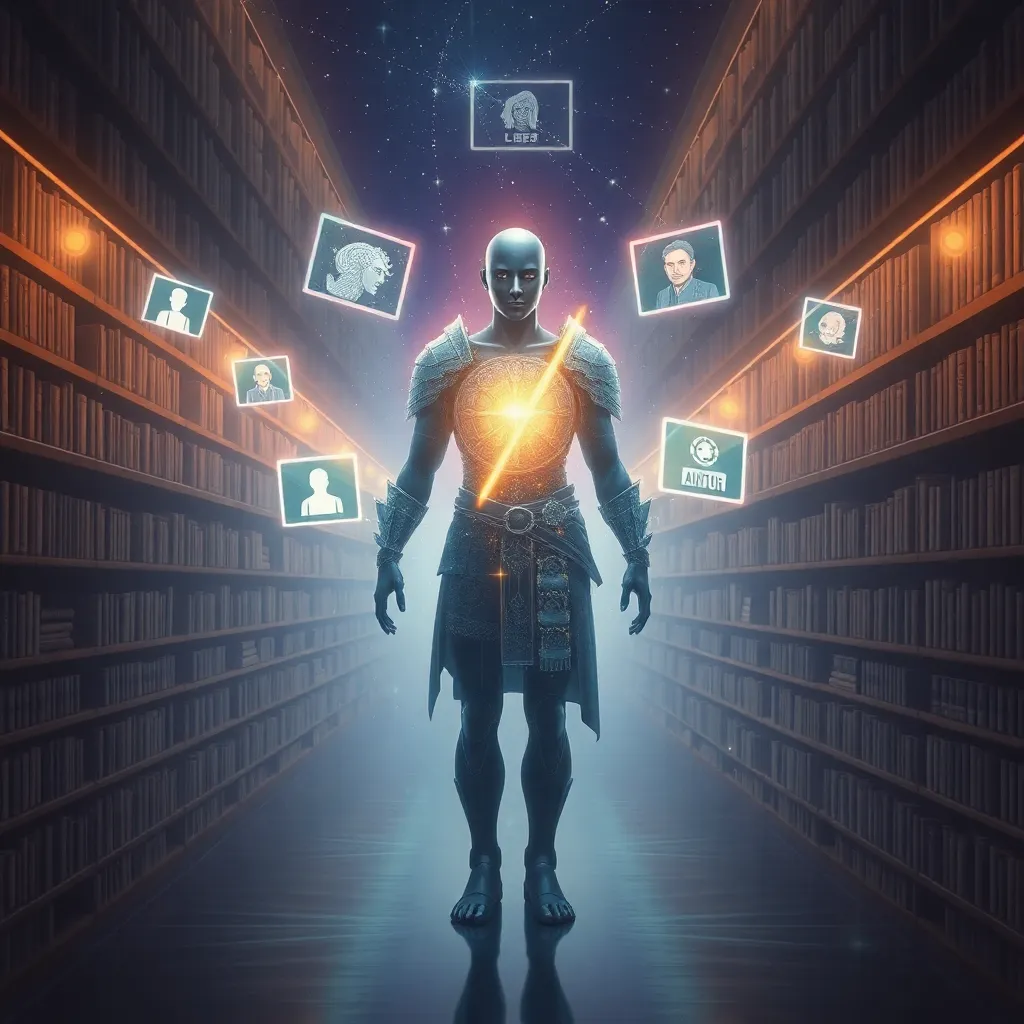
The Many Masks We Wear: Exploring Identity Through Digital Characters
Have you ever wondered what it would feel like to be someone else for a day? To speak with different confidence, to hold different beliefs, to navigate the world through an entirely new lens? This isn't just idle fantasy—it's a fundamental human impulse, and we've been doing it for millennia. From actors on a stage to children in a playground, assuming different roles allows us to explore parts of ourselves that might otherwise remain hidden.
Today, this exploration has found a new, incredibly potent playground: the digital realm. Through customizable avatars, interactive stories, and conversational partners, people are engaging in a profound form of identity exploration that is both ancient and utterly modern.
The Ancient Art of Role-Playing
Long before the first computer was invented, humans were masters of role-play. Think about it:
- Theater and Performance: For thousands of years, actors have stepped into the shoes of kings, fools, lovers, and villains, offering both performer and audience a glimpse into another life.
- Carnival and Masquerade: Historical festivals often involved wearing masks, a practice that temporarily suspended social rules and allowed people to behave in ways their normal identity wouldn't permit.
- Storytelling and Imagination: When we read a book or listen to a story, we unconsciously imagine ourselves in the protagonist's position, feeling their fears and triumphs.
These activities aren't just entertainment; they're rehearsals for life. They allow us to test-drive emotions, reactions, and social strategies in a consequence-free environment. The digital characters we interact with today are simply the latest, most interactive masks in this long tradition.
The Digital Sandbox: A Safe Space for Experimentation
What makes digital platforms so powerful for identity exploration is the concept of the "sandbox"—a protected space where experimentation is encouraged and failure has no real-world cost. This safety is liberating.
Imagine someone who is naturally introverted. In their daily life, speaking up in a meeting or striking up a conversation with a stranger might be daunting. But by creating a charismatic, outgoing digital character, they can practice those social interactions. They can experiment with witty comebacks, assertive statements, or flirty banter without the fear of face-to-face rejection. It’s a training ground for social courage.
This isn't about deception. It's about discovery. The traits we explore through our characters—confidence, empathy, humor, authority—are often latent within us, waiting for a safe opportunity to emerge. The digital world provides the rehearsal room where we can practice being the person we aspire to become.
Beyond Gaming: Everyday Identity Play
While often associated with video games, this phenomenon extends far beyond. People are using digital characters in more integrated ways:
- Professional Personas: A freelance designer might adopt a more formal, corporate-sounding persona in their email communications to project confidence with new clients.
- Creative Expression: Writers and artists create characters to explore complex themes or perspectives they wouldn't feel comfortable addressing directly.
- Social Connection: In online communities, individuals might use an avatar that represents their ideal self, leading to more authentic connections based on personality rather than physical appearance.
These examples show that this isn't about escaping reality, but about enriching it. We are using these tools to expand our own emotional and social repertoire.
The Psychology of the Protean Self
Psychologists sometimes refer to the "protean self"—the idea that identity is not a fixed, monolithic thing, but rather a fluid and adaptable constellation of traits. We all contain multitudes, as the poet Walt Whitman said. Digital character exploration is a practical tool for engaging with those multitudes.
By trying on a different identity, even temporarily, we can:
- Gain Empathy: Walking a mile in someone else's digital shoes can help us understand perspectives vastly different from our own.
- Solve Problems: A stubborn problem in our lives might seem unsolvable from our usual viewpoint. Approaching it from the mindset of a more decisive or creative character can unlock new solutions.
- Integrate New Traits: The confidence practiced by a shy person through their bold avatar can slowly start to seep into their real-world interactions.
It's a process of self-authorship. We are not just discovering who we are; we are actively participating in who we are becoming.
A Word of Caution: Keeping a Foot in the Real World
As with any powerful tool, balance is key. The risk, of course, is that the digital persona becomes a crutch or a place to hide, preventing real-world growth instead of facilitating it. The goal of this exploration should be integration, not replacement.
The healthiest approach is to see these digital interactions as a workshop. You go in, you try out a new tool or technique, and then you bring what you've learned back to your main project: your actual life. The character is a means to an end, not the end itself.
The Future of Self-Discovery
As technology advances, these platforms for identity exploration will only become more immersive and nuanced. We are moving toward worlds where the lines between the character and the creator may blur even further. The key will be to harness this power with intention—to use these digital mirrors not to escape ourselves, but to see ourselves more wholly.
So, the next time you customize an avatar or engage with a character-driven story, ask yourself: What part of me am I trying to express? What facet of my personality is getting a chance to shine? You might be surprised by what you find.
In the end, the most fascinating character you will ever create is yourself.