

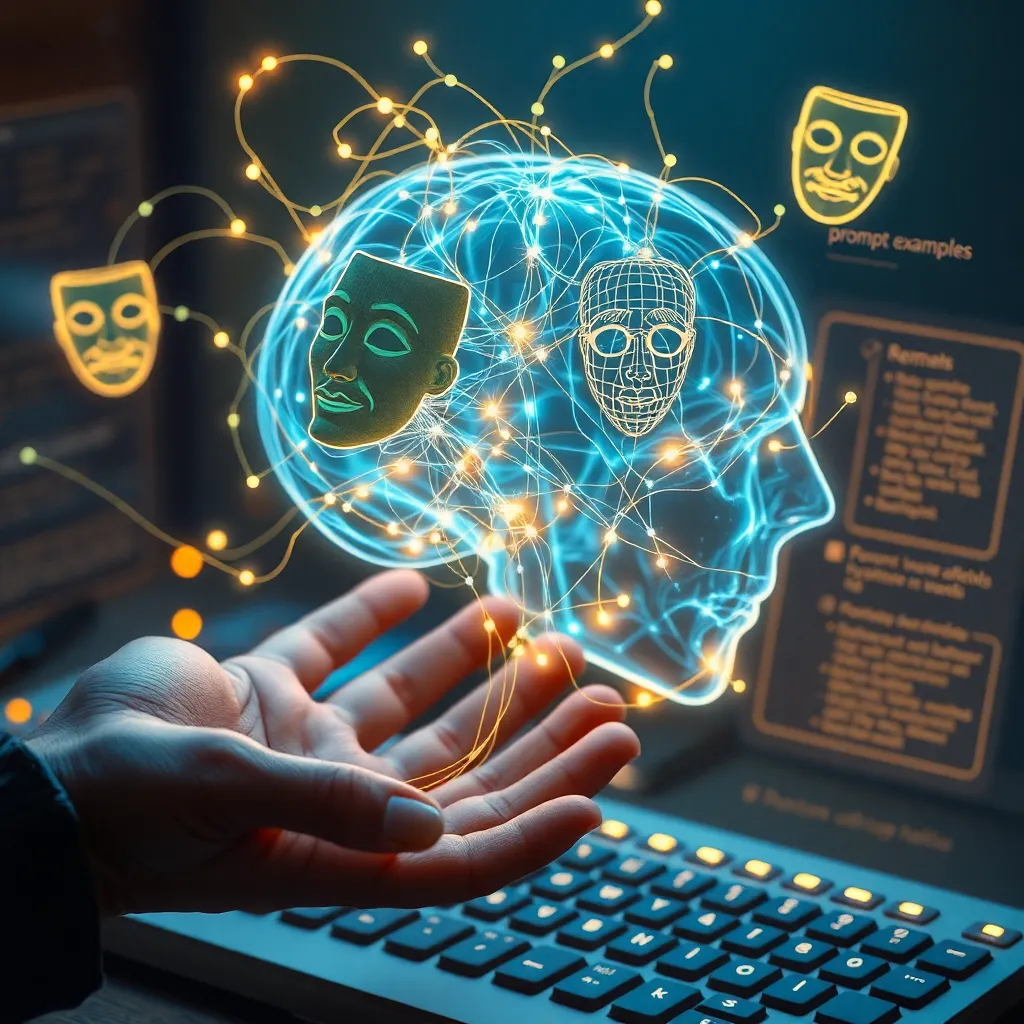
You’ve probably chatted with a virtual assistant, played a game with a clever non-player character, or asked a smart device for help. Ever wonder why some interactions feel natural, even charming, while others fall flat? It’s not just magic or raw computing power—it’s design. Welcome to the subtle art of shaping digital personalities.
It Starts with Words
Every digital character—whether a witty chatbot, a solemn guide, or a playful game companion—begins with a set of instructions. These aren’t rigid lines of code in the traditional sense; they’re more like a personality blueprint. Think of it as casting a role in a play. You don’t just hand an actor a script—you give them a backstory, motivations, quirks, and emotional range.
That’s exactly what creators do when designing how these characters behave. Through carefully chosen words, tones, and contextual cues, they instill a sense of identity. A friendly assistant might be programmed to use emojis and casual language. A historical simulation might speak in period-appropriate prose. A tutor might adopt a patient, encouraging tone. It’s all intentional.
More Than Commands
It’s easy to assume that these personalities are built on commands—do this, say that. But the real craft lies in implication, nuance, and subtlety. The best digital characters don’t feel commanded; they feel coherent. They have consistency. They remember context. They express emotion, humor, or empathy in ways that align with their designed role.
For example, a customer service bot might be engineered to detect frustration in a user’s message and respond with calming language and offers of help. A creative writing partner might pick up on your metaphorical style and reflect it back to you. These aren’t accidents—they’re the result of thoughtful, layered instruction sets that allow the character to “understand” not just what you’re saying, but how you’re saying it.
The Human in the Loop
Even the most advanced systems need a human touch. Writers, designers, and psychologists often work together to define the boundaries of a character’s behavior. They ask questions like: How should this entity react to ambiguity? Does it have a sense of humor? Is it allowed to be sarcastic? Can it admit when it doesn’t know something?
These aren’t trivial questions. They shape the user’s entire experience. A character that’s too rigid feels robotic. One that’s too loose might seem untrustworthy. Striking the right balance is an art—one that blends technical precision with creative intuition.
Case in Point: Memorable Personalities
Consider some familiar examples. There’s the ever-helpful voice that lives in your smart speaker—reassuring, concise, and slightly upbeat. Then there are video game companions who evolve alongside you, offering hints with personality, sometimes even joking at your mistakes. Or think about creative tools that feel less like software and more like collaborators—responding to your ideas with enthusiasm, refinement, or even playful pushback.
Each of these succeeds not because of algorithmic complexity alone, but because someone carefully defined how they should “be.” Their tone, their pacing, their limits—all these are deliberate choices made during their creation.
Why It Matters
This might all sound like behind-the-scenes detail, but it affects you every time you interact with technology. A well-designed character can make help feel helpful, learning feel engaging, and creativity feel collaborative. A poorly designed one can leave you frustrated, confused, or even alienated.
It also raises bigger questions. As these personalities become more embedded in daily life, their design carries ethical weight. Should a virtual assistant always be neutral? Can a companion character develop attachments? How do we avoid reinforcing stereotypes? The people designing these experiences aren’t just engineers—they’re authors of digital beings.
The Future of Character Design
We’re only at the beginning. As the tools for crafting these personalities improve, we’ll see even more nuanced, responsive, and emotionally intelligent characters. They may adapt in real time to individual users, develop long-term memory, or even exhibit growth and change. The line between pre-scripted and organic may blur entirely.
What won’t change is the need for thoughtful, human-centered design. The most believable characters will always be those created with empathy, intentionality, and a deep understanding of what makes interaction meaningful.
In Your Hands
Next time you ask a device a question, play a story-rich game, or use a tool that feels almost human, take a moment to appreciate the craft behind it. Someone, somewhere, chose those words. Someone shaped that tone. Someone decided that this digital entity would greet you with warmth, respond with patience, or challenge you with wit.
It’s a reminder that technology at its best doesn’t replace humanity—it mirrors it, extends it, and sometimes even elevates it. And that’s something worth thinking about next time you say, “Hey, what’s the weather today?”