

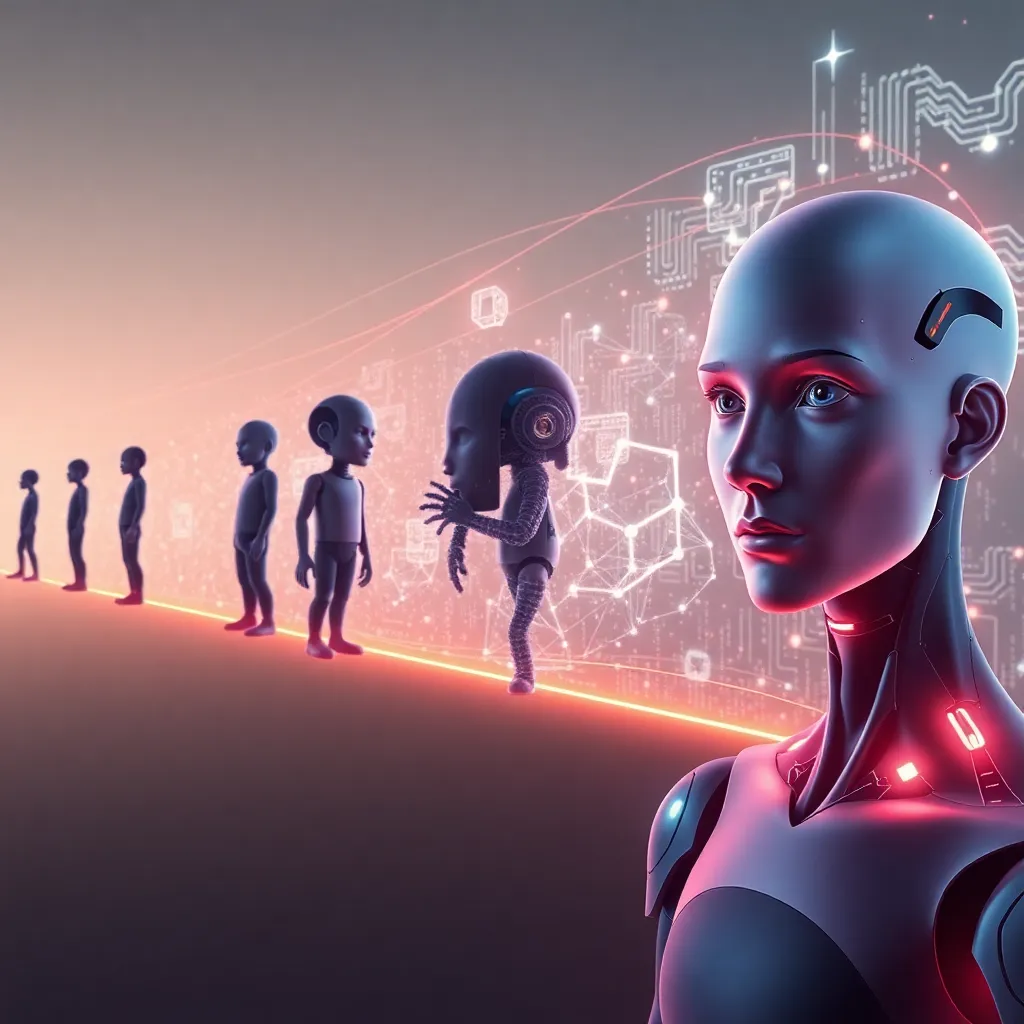
The Evolution of Character Technology: From Pixels to Personalities
Remember the first time you encountered a character in a digital world? For many of us, it was a blocky sprite with predetermined movements—a mere collection of pixels following simple rules. Today, we interact with characters that remember our preferences, adapt to our behavior, and sometimes even surprise us with their depth. How did we get here?
The Early Days: Scripted Personalities
In the beginning, digital characters were essentially elaborate puppets. Game developers and storytellers wrote detailed scripts—if-then statements that dictated every possible interaction. These characters couldn't learn or grow; they simply played their assigned roles.
Think back to classic adventure games where dialogue trees offered the illusion of choice. While engaging, these interactions followed predetermined paths. The character's "intelligence" was limited to what programmers had anticipated and manually coded.
The Rise of Behavioral Systems
As processing power increased, developers began creating more sophisticated behavioral systems. Characters started exhibiting basic learning capabilities and adaptive behaviors. They could:
- Remember player choices across sessions
- Adjust difficulty based on player performance
- Exhibit mood changes based in-game events
This era saw the emergence of characters that felt more alive because they responded to context rather than just executing scripts. They began building reputations with players—the loyal companion who stood by you, the cunning villain who learned your tactics.
The Personality Revolution
The real breakthrough came when character technology moved beyond reaction and into personality simulation. Developers began modeling:
- Core personality traits (introversion/extroversion, optimism/pessimism)
- Emotional states that evolved over time
- Moral frameworks that guided decision-making
Suddenly, characters started feeling consistent yet unpredictable—much like real people. They'd have good days and bad days, form opinions about the player, and develop relationships that felt genuinely earned.
Modern Marvels: Context-Aware Characters
Today's most advanced character engines incorporate multiple technological leaps:
Natural Language Understanding Characters now parse meaning rather than just keywords, understanding nuance, sarcasm, and emotional subtext in player input.
Long-term Memory Architectures They remember not just facts but emotional significance—that time you helped them versus when you betrayed them, and how each event made them feel.
Procedural Personality Generation Rather than pre-written personalities, many modern systems generate unique character traits through algorithms, creating surprising yet coherent behaviors.
Case Study: The Companion That Grew With You
Consider the evolution of companion characters in role-playing games. Early companions followed you and fought alongside you, but their personalities remained static. Modern companions:
- Develop trust or distrust based on your actions
- Have personal story arcs that progress independently
- Sometimes disagree with your choices or even leave if consistently mistreated
This creates emotional investment that early games couldn't match. Players form genuine attachments to characters that feel like they're growing alongside them.
The Human Touch in Digital Personalities
Despite all technological advances, the most memorable characters still benefit from human writing and design. The technology enables depth and adaptation, but it's the human-crafted core that makes characters resonate emotionally.
Great character technology doesn't replace writers—it empowers them to create richer, more dynamic narratives where characters can genuinely react to player agency.
Looking Forward: The Next Frontier
Where do we go from here? The next evolution likely involves:
- Even more nuanced emotional intelligence
- Cross-story memory (characters remembering you across different experiences)
- Player-influenced personality development
Imagine characters that not only remember your past actions but understand how those experiences changed you—and how those changes affect your relationship with them.
The Magic Behind the Screen
What makes this evolution so fascinating isn't just the technological achievement—it's how these advances create deeper emotional connections. We're not just building better algorithms; we're creating digital beings that can make us laugh, frustrate us, surprise us, and sometimes even move us to tears.
The journey from simple sprites to complex personalities represents one of the most human aspects of technology: our endless desire to connect, even with creations of our own making.