

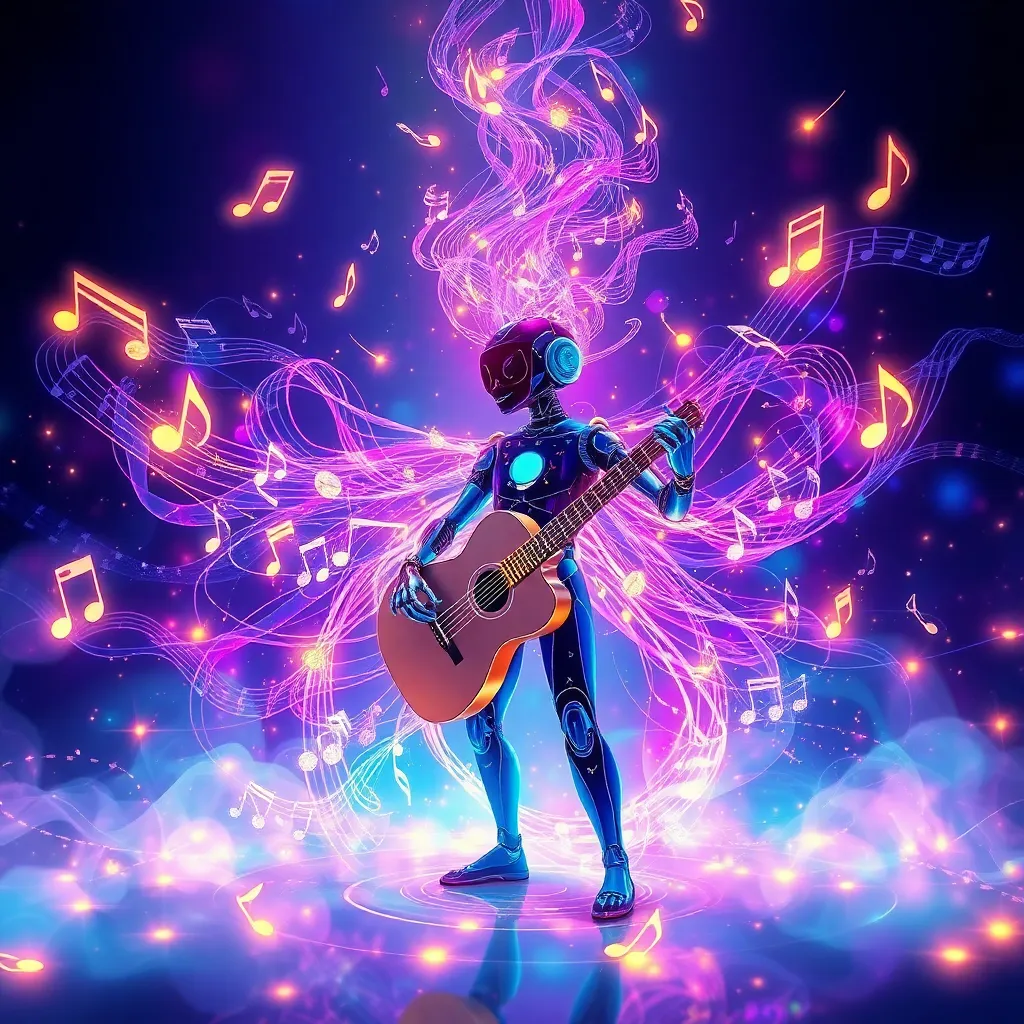
Digital Muses: How Synthetic Companions Are Reshaping Artistic Inspiration
We've all been there: staring at a blank canvas, a silent DAW, or an empty page. The cursor blinks mockingly. The instruments gather dust. The muse, it seems, has taken an extended vacation. For centuries, artists have wrestled with creative block—that maddening void where ideas should be. But what if your creative partner never gets tired? Never runs out of suggestions? Never judges your wildest ideas?
Welcome to the new era of artistic collaboration, where digital entities are becoming unexpected allies in the creative process. These aren't tools in the traditional sense—they're companions, provocateurs, and sometimes even muses in their own right.
The Empty Page Problem
Creative block isn't just inconvenient—it's emotionally draining. The pressure to create something original, meaningful, and technically proficient can paralyze even the most experienced artists. Studies show that creative professionals experience block more frequently than we might assume, with many reporting cycles of intense productivity followed by periods of frustrating stagnation.
Historically, artists have developed countless techniques to overcome this: changing environments, seeking new experiences, collaborating with other humans, or simply waiting for inspiration to strike. But these methods are unpredictable at best. What if you need inspiration now? What if your deadline doesn't care about your creative struggles?
Meet Your New Creative Partner
Imagine working with a collaborator who:
- Never runs out of melodic ideas
- Can generate hundreds of lyrical variations in seconds
- Remembers every musical genre you've ever referenced
- Works at 3 AM when inspiration strikes
- Isn't afraid to suggest something completely unconventional
This isn't science fiction—it's the reality for a growing number of musicians, painters, and writers who are embracing digital creative partners. These systems analyze patterns, suggest alternatives, and help artists explore territories they might never have discovered alone.
How It Works in Practice
For musicians, the process often begins with a simple prompt: a few chords, a lyrical fragment, or even a mood description. The digital partner might respond with:
- Melodic variations that maintain musical coherence while introducing novelty
- Rhyming schemes and lyrical structures that fit the emotional tone
- Harmonic progressions that complement the initial idea
- Even suggestions for instrumentation and arrangement
Visual artists experience similar benefits. A painter might describe a scene—"a forest at twilight with bioluminescent plants"—and receive compositional sketches, color palettes, or even detailed renderings that serve as starting points for their own work.
The Human Touch Still Matters
Critics might worry that these technologies threaten artistic authenticity. But the artists using them tell a different story. They describe these systems not as replacements for human creativity, but as amplifiers of it.
"It's like having a brilliant intern who never sleeps," says electronic musician Lena Petrova. "They bring me ideas I would never have considered, but I'm still the director. I choose what works, what doesn't, and how to make it truly mine."
The most successful collaborations occur when artists maintain their editorial control. The digital partner suggests; the human artist curates, modifies, and infuses the work with intention and emotion.
Breaking Creative Patterns
One of the most valuable aspects of working with digital collaborators is their ability to help artists break out of creative ruts. Humans naturally develop patterns and preferences—certain chord progressions, color combinations, or thematic elements we return to unconsciously.
Digital partners, lacking personal biases, can introduce completely foreign elements that force artists out of their comfort zones. A folk musician might receive suggestions with electronic elements. A portrait painter might get composition ideas inspired by architectural principles. These unexpected combinations often lead to breakthrough moments.
Ethical Considerations
As with any new technology, there are important questions to consider:
- How do we ensure these systems don't simply replicate existing works?
- What constitutes original creation when working with digital partners?
- How do we properly credit these collaborations?
The artistic community is still wrestling with these questions, but most agree that transparency is key. Artists should disclose their use of digital collaborators when appropriate, just as musicians might credit co-writers or producers.
Getting Started
If you're curious about exploring digital collaboration, here are some approaches that have worked for others:
- Start small - Begin with simple prompts and see what emerges
- Maintain your voice - Use suggestions as inspiration, not prescription
- Experiment freely - The lowest-risk creative environment ever
- Combine approaches - Use digital suggestions alongside traditional methods
- Stay critical - Not every suggestion will be gold; curation is your superpower
The Future of Artistic Collaboration
We're still in the early days of this creative revolution. As the technology evolves, we'll likely see more sophisticated collaborations—systems that learn individual artists' styles more deeply, that can engage in more nuanced creative dialogue, and that become true creative partners rather than just suggestion engines.
But the fundamental relationship will likely remain the same: technology as enabler, human as artist. The magic happens in the space between suggestion and selection, between algorithm and intention.
Your Creative Journey
Whether you embrace digital collaborators or prefer traditional methods, the most important thing remains your unique perspective as an artist. Technology can provide options, but only you can provide meaning. Only you can decide what's worth creating, what deserves to be shared, and what represents your authentic voice.
The blank page might be less daunting knowing you have a creative partner waiting to help—but the ultimate responsibility, and joy, of creation remains beautifully, wonderfully human.