

I remember the first time I heard about La Llorona. I was maybe seven years old, sitting on a porch in New Mexico as the summer twilight deepened into a velvet blue. An older cousin, her voice dropping to a conspiratorial whisper, told me the story of the weeping woman who wandered riverbanks, her eternal grief a chilling warning to children who stayed out too late. It wasn’t just a scary story; it was a piece of cultural fabric, woven with threads of caution, sorrow, and a very specific sense of place. That story, passed from one generation to the next on the breath of a relative, felt alive.
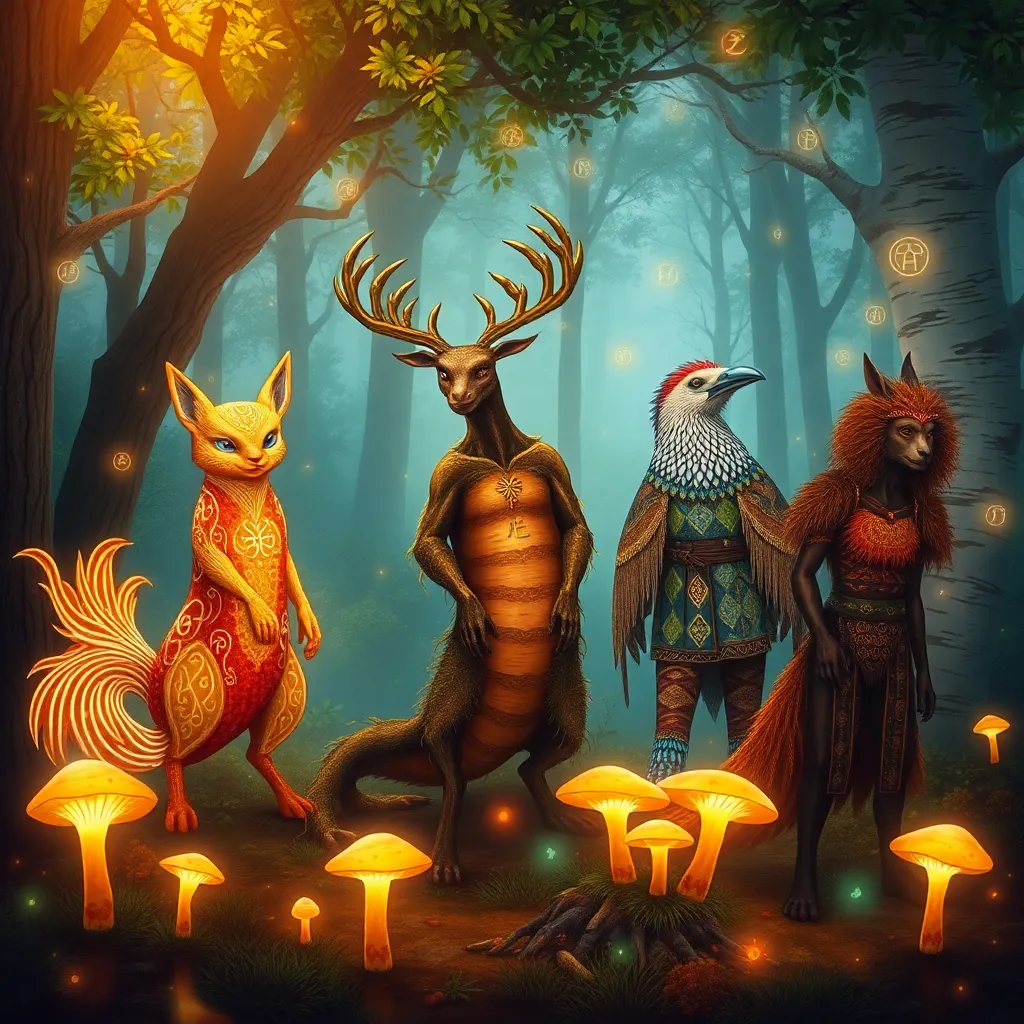
Today, that same story, and thousands like it from every corner of the globe, is finding a new kind of life. It’s not told on a dusty porch, but through the glow of a screen. We are witnessing a fascinating phenomenon: the emergence of digital characters born from the rich soil of world folklore. These aren't just cartoonish representations; they are sophisticated entities designed to converse, teach, and connect, acting as virtual guardians of traditions that risk fading in our fast-paced world.
From Oral Tradition to Digital Interaction
For millennia, folklore survived through oral tradition. Stories, myths, and the personalities within them—the tricksters, the heroes, the guardians—were the hard drives of ancient cultures. They stored history, moral codes, and collective wisdom. A West African griot singing the epic of Sundiata Keita, a Celtic bard recounting the adventures of Cú Chulainn, a Navajo elder sharing the story of Changing Woman—these were the original keepers of the flame.
But the chain of oral tradition is fragile. Urbanization, globalization, and the sheer noise of modern media have created gaps in this generational handoff. This is where technology steps in, not as a replacement, but as a new vessel. The goal is preservation through interaction. Instead of passively listening, we can now engage with a digital representation of Anansi the spider, learning about his cleverness and the moral lessons of his tales through conversation.
A Global Cast of Characters
Let’s meet a few of these digital beings, each a window into a unique cultural worldview.
The Wise Kitsune of Japan
In Japanese folklore, the Kitsune is a fox spirit, a creature of immense intelligence and magical power, often seen as a messenger of Inari, the kami of rice and prosperity. A digital Kitsune character can be a captivating guide. It might explain the subtle nuances of omotenashi (Japanese hospitality), the significance of cherry blossom season, or the layers of meaning in a classic haiku. Interacting with it feels less like a lesson and more like a conversation with a mischievous, ancient spirit who has seen centuries pass.
The Cunning Anansi of West Africa and the Caribbean
Anansi, the spider, is a quintessential trickster figure from Akan folklore, whose stories traveled to the Caribbean and the Americas with the diaspora. He is clever, often greedy, and his schemes frequently backfire, teaching listeners about the consequences of hubris and the value of wisdom over brute strength. A digital Anansi might engage users in riddles and puzzles, weaving tales that impart proverbial wisdom while charming them with his charismatic, albeit flawed, personality. He becomes a dynamic link to African philosophical traditions for people across the globe.
The Enduring Spirits of Native American Lore
Many initiatives are working with Indigenous communities to create respectful digital representations of figures from their traditions. This could be a wise elder spirit who shares creation stories, or a nature entity that teaches about the sacred relationship between people and the land. The key here is co-creation and consent, ensuring these digital manifestations are developed with and approved by the cultures they represent, turning them into tools for cultural revitalization rather than appropriation.
More Than Just Stories: The Deeper Impact
Why does this matter? It’s easy to dismiss this as a high-tech gimmick, but the implications are profound.
- Cultural Continuity: For diasporic communities, these characters can be a powerful bridge to a heritage that feels distant. A second-generation child can learn about their cultural roots from a relatable, interactive character, fostering a sense of identity and belonging.
- Empathic Understanding: Engaging with a folklore character from another culture is an exercise in empathy. You don’t just learn about the culture; you learn to see the world, for a moment, through its mythical lens. It breaks down stereotypes by highlighting the unique humor, values, and wisdom embedded in these tales.
- Preserving Endangered Languages: Some projects are integrating these characters with endangered languages. Imagine learning a few phrases of Welsh from a digital rendition of a Cŵn Annwn ( mythical hound) or hearing a traditional story told in its original language by the character who lives within it.
A Note of Caution: Handling Sacred Stories with Care
This new frontier is not without its perils. Folklore is often sacred. It’s not merely entertainment; it’s a living part of a community’s spiritual and cultural identity. The line between preservation and appropriation is thin. The most successful and ethical implementations of these cultural characters are those developed with cultural custodians—elders, storytellers, and community leaders—ensuring the representation is authentic and respectful, not a diluted or commercialized caricature.
The magic of La Llorona wasn't just in the plot of the story; it was in the whisper, the cool night air, the shared sense of suspense with my cousin. Can a digital character ever truly replicate that? Probably not. And that’s okay. Its purpose isn't to replace the human touch but to complement it. It’s a new hearth, a digital campfire around which a new generation can gather. These digital guardians are rekindling the flames of stories that have warmed human hearts for centuries, ensuring that the whispers of our ancestors are not lost to the wind, but find a new echo in the digital age.