

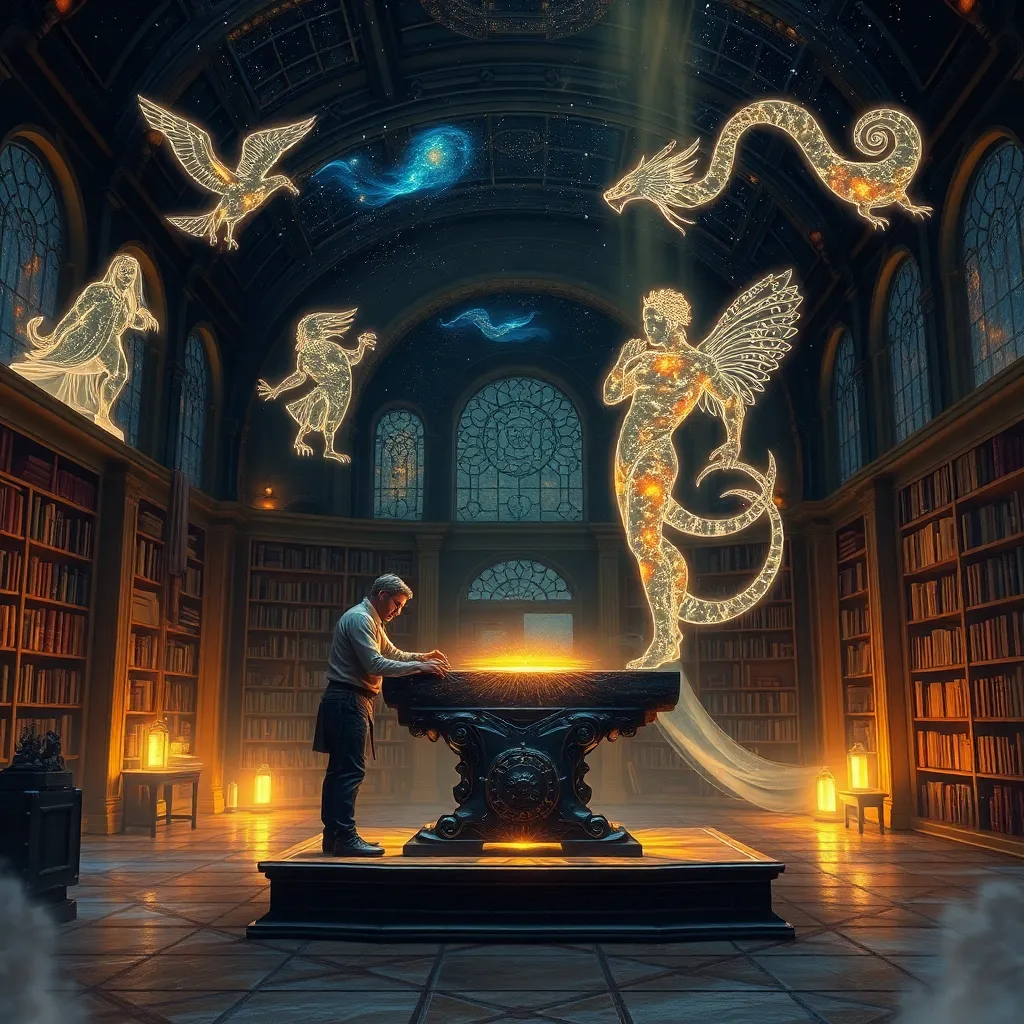
Breathing Life into Legends: Crafting Mythological Characters for Modern Storytelling
There’s something timeless about mythology. Whether it’s the tragic fate of Icarus, the cunning of Anansi the spider, or the raw power of Thor’s hammer, these stories have echoed through centuries, capturing imaginations across cultures. They aren’t just dusty relics from the past—they're reservoirs of human emotion, struggle, and wisdom. And for creators today, they offer an incredible wellspring of inspiration for crafting characters that feel both epic and intimately human.
Why Mythology Still Captivates Us
Myths endure because they speak to universal truths. They explore love, jealousy, ambition, sacrifice, and redemption—themes that are as relevant now as they were millennia ago. When we reimagine these ancient figures, we aren’t just retelling old tales; we’re connecting our modern experiences to a shared human legacy.
Think about it: Loki’s trickster nature mirrors the chaos of our own unpredictable world. Persephone’s descent into the underworld can symbolize personal transformation or resilience. By tapping into these archetypes, we give our characters depth and a sense of mythic weight, even if their stories are set in entirely new contexts.
Finding Inspiration in Gods and Monsters
You don’t have to limit yourself to the well-known pantheons. While Greek, Norse, and Egyptian myths are treasure troves, there’s a whole world of folklore waiting to be explored—from Slavic domovoi to Japanese yokai, from African Anansi tales to Native American legends.
Start with the Core Traits
Every mythological figure has defining characteristics. Poseidon isn’t just a god of the sea—he’s temperamental, proud, and fiercely protective of his domain. When building a character inspired by him, you might focus on that blend of creativity (the sea as a source of life) and destructiveness (his legendary storms).
Adapt, Don’t Copy
The goal isn’t to recreate Zeus or Odin beat-for-beat. Instead, borrow their essence. What if a character has the wisdom of Athena but the vulnerability of a modern-day CEO? Or the ferocity of a Celtic warrior goddess channeled into a determined activist? These combinations make old myths feel new and surprising.
Building Relatable Flaws and Strengths
One reason mythological characters resonate is their humanity—yes, even the gods. They’re flawed, complex, and often their greatest strength is also their weakness. Hercules’s immense power came with a quick temper. The Morrigan’s foresight was both a gift and a curse.
When crafting your character, ask:
- What is their divine (or supernatural) gift?
- What personal flaw or limitation counterbalances it?
- How do their strengths and weaknesses create conflict or drive their journey?
Weaving Mythology into Modern Settings
You can place myth-inspired characters anywhere—urban fantasies, sci-fi worlds, historical fiction, or even contemporary dramas. The key is integration. If your character is based on a wind spirit, how does their essence manifest in a bustling city? Do they feel stifled by skyscrapers, or do they ride the currents between buildings?
Case Study: Medusa Reimagined
Take Medusa, often portrayed as a monstrous villain. But what if she’s reframed as a tragic figure—a woman whose gaze isn’t deadly but reveals painful truths others avoid? In a modern story, she could be a journalist uncovering corruption, whose reports are so revealing that people “turn to stone” with shock or shame. Suddenly, an ancient myth becomes a commentary on truth and power.
Ethical and Cultural Considerations
When drawing from folklore, especially from cultures outside your own, it’s crucial to approach with respect. Research thoroughly, avoid stereotypes, and consider consulting with cultural experts or sensitivity readers. Mythology is deeply tied to identity and tradition—handle it with care.
Putting It All Together: A Step-by-Step Approach
- Choose Your Source: Pick a myth or figure that intrigues you.
- Identify Core Themes: What values, conflicts, or emotions define them?
- Modernize the Essence: How can those themes apply today?
- Develop the Character: Flesh out their personality, backstory, and goals.
- Integrate Their World: Build a setting that complements their mythic roots.
Conclusion: Myths as Living Stories
Mythology isn’t a static artifact—it’s a living, breathing part of storytelling tradition. By reimagining these ancient narratives, we keep them alive, allowing new generations to find meaning in them. So the next time you’re crafting a character, look to the legends. You might just find a hero, a villain, or a guide waiting to step out of the shadows and into your story.
What mythological figure would you love to reimagine? Share your ideas—and let’s keep the legends evolving.