

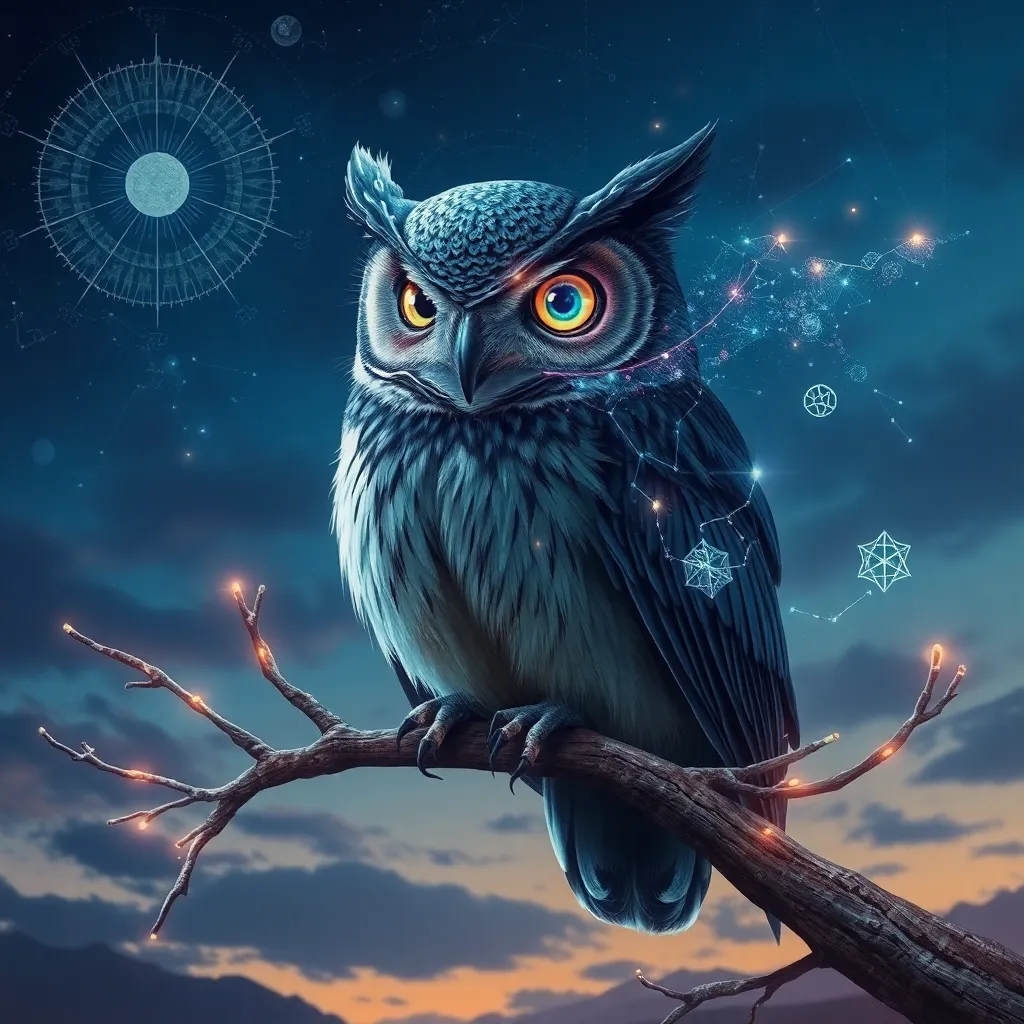
Walking the Line: When Machines Dream and Reality Bends
We’ve all seen it: an AI-generated image of a cat wearing a top hat, sipping tea in a Victorian parlor. It’s whimsical, charming, and just believable enough to make us smile. But what about when that same AI is tasked with diagnosing a medical condition, drafting a legal document, or summarizing complex scientific research? Suddenly, the line between delightful fantasy and dangerous inaccuracy becomes critically important.
This is the central tension in the world of artificial intelligence today—the push and pull between realism and imagination. How do we teach machines to be both brilliantly creative and rigorously accurate? And where, exactly, is the sweet spot?
The Allure of the Imaginary
Human creativity has always thrived on the ability to dream beyond the confines of the real. From mythology to science fiction, we’ve used imagination to explore possibilities, challenge norms, and envision futures that don’t yet exist. AI, in many ways, is the next chapter in that story.
When an AI model generates a poem, designs a logo, or composes music, it’s not just regurgitating data—it’s recombining patterns in novel ways. This capacity for "constrained novelty" is what gives AI its creative flair. It can imagine a giraffe with polka dots, a cityscape made of candy, or a love story between two robots. And honestly, that’s kind of magical.
But imagination without grounding can quickly veer into nonsense or, worse, misinformation. An AI that’s too loose with the facts might invent historical events, misinterpret user intent, or generate content that’s aesthetically pleasing but logically incoherent. This is where realism must step in.
The Anchor of Accuracy
Realism in AI isn’t about stifling creativity—it’s about providing a foundation of trust. When we use technology, whether it’s for research, communication, or decision-making, we need to know that the output is reliable. An AI that hallucinates facts in a research paper or misrepresents data in a financial report isn’t just unhelpful; it’s harmful.
This is especially true in high-stakes domains like healthcare, law, and education. A diagnostic tool that prioritizes "interesting" patterns over accurate ones could lead to misdiagnoses. A legal assistant that invents precedent or misinterprets statutes could compromise justice. In these contexts, realism isn’t optional—it’s essential.
So how do developers balance this? Often, through careful training, validation, and constraint. Models designed for factual tasks are typically trained on verified datasets, fine-tuned with human feedback, and bound by rules that prioritize accuracy over novelty. But even then, the line can blur.
Finding the Middle Ground
The most compelling AI systems don’t choose between realism and fantasy—they harmonize them. Think of a tool like ChatGPT, which can switch between writing a scientifically accurate explanation of photosynthesis and crafting a fairy tale about talking trees. The key is context.
Context-awareness allows AI to modulate its output based on the task at hand. In a creative writing prompt, it can unleash its imaginative potential. In a technical query, it can stick to the facts. This flexibility is what makes modern AI so powerful—and so human-like.
But achieving this balance is easier said than done. It requires:
- Robust training data that includes both factual and creative content.
- Clear user cues that help the AI understand the desired tone and accuracy level.
- Iterative feedback loops where humans correct and guide the model toward better alignment.
- Ethical guidelines that prioritize truth where it matters most.
The Human in the Loop
Ultimately, the balance between realism and fantasy in AI isn’t just a technical challenge—it’s a deeply human one. We’re the ones who decide when to encourage creativity and when to demand precision. We set the boundaries, provide the feedback, and bear the responsibility for how these systems are used.
This is why the most successful AI applications often involve human collaboration. Artists use AI as a co-creator, refining its wilder ideas into coherent works. Scientists use AI to generate hypotheses but validate them through experimentation. Journalists use AI to draft reports but fact-check every detail.
In this partnership, AI becomes less of an oracle and more of a tool—a brush in the hands of a painter, a compass in the hands of an explorer.
The Future of Balanced Intelligence
As AI continues to evolve, the dialogue between realism and fantasy will only grow more nuanced. We might see models that can toggle between "creative mode" and "precision mode" with a simple command. We might develop systems that intuitively understand the stakes of a query and adjust accordingly.
But the core challenge will remain: How do we cultivate technology that dreams boldly but stands firmly on the ground of truth?
The answer likely lies in embracing both extremes—celebrating the whimsy and wonder of AI’s imaginative side while respecting the integrity and reliability of its factual side. In doing so, we don’t just build better machines; we reflect the best of ourselves: creatures capable of both wonder and wisdom, fantasy and fact.
And perhaps that’s the real sweet spot—not in the code, but in us.