

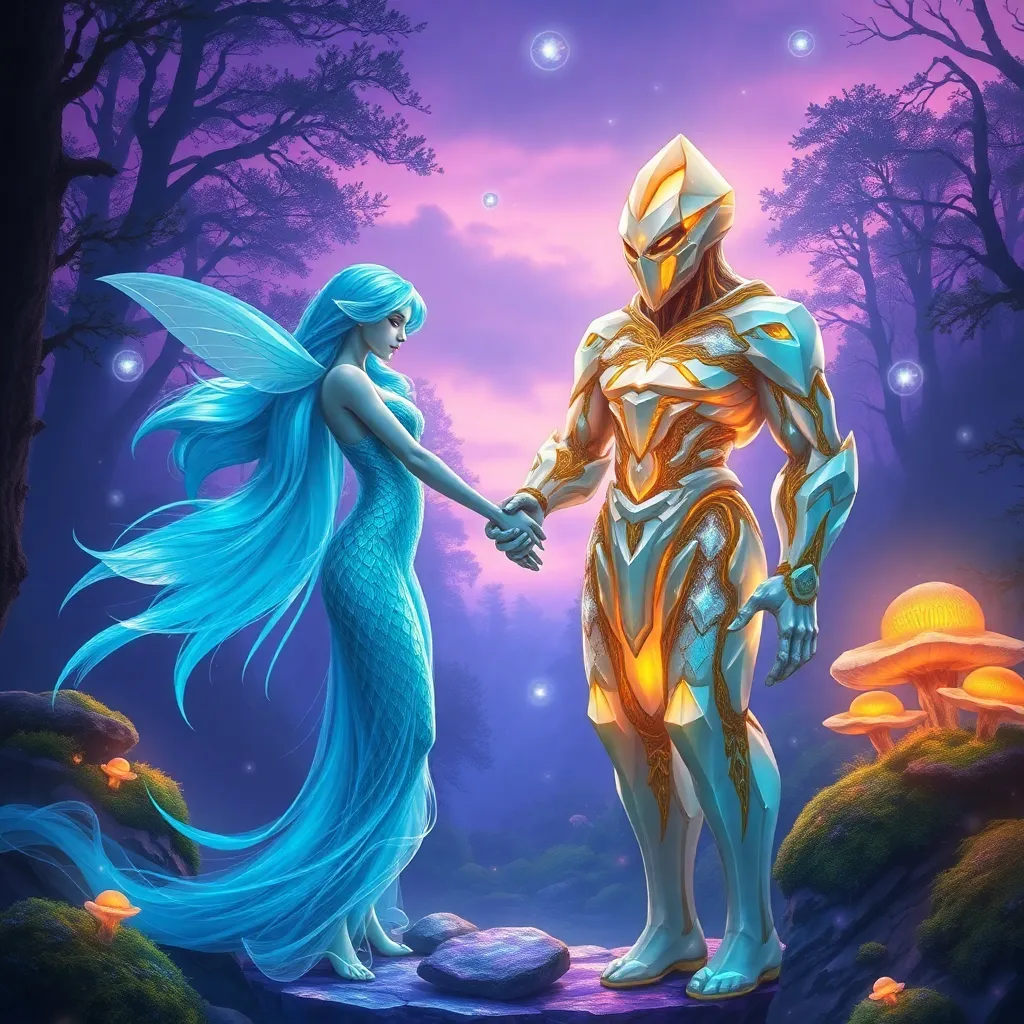
There’s a special kind of magic that happens when two characters collide. It’s more than just a plot device; it’s the spark that can ignite an entire world. Think of the most memorable stories you’ve ever experienced—chances are, at their heart was a compelling relationship. The grumpy mentor and the plucky apprentice. The sworn enemies forced into an uneasy alliance. The star-crossed lovers from rival kingdoms. This alchemy of connection is the secret engine of unforgettable roleplay, transforming a simple narrative into a living, breathing saga.
The Power of the Pair: More Than Just a Couple
When we talk about pairing characters, it’s easy to default to romance. But the true power of a duo lies in the dynamic itself—the unique friction and synergy that arises from two distinct personalities interacting. A pairing is a crucible for character development. It forces individuals out of their comfort zones, challenges their beliefs, and reveals hidden depths.
Consider the classic archetypes:
- The Fire and Ice Duo: One character is all passion, impulse, and emotion; the other is cool, logical, and reserved. The fire character melts the ice character’s defenses, while the ice character provides a steadying anchor for the fire character’s volatility. Their journey is about finding balance.
- The Veteran and the Rookie: This pairing is a masterclass in growth. The veteran’s world-weariness is challenged by the rookie’s idealism, while the rookie must learn harsh lessons under a reluctant teacher’s guidance. It’s a relationship built on respect earned, not given.
- The Pragmatist and the Idealist: One sees the world as it is, the other as it should be. Their constant debate over methods and morality creates rich roleplay opportunities, forcing both players to defend their character’s core philosophy.
These pairings work because they are built on inherent conflict and complementary needs. The story writes itself in the space between them.
Crafting Chemistry: It’s All About the Connection
So, how do you create this elusive chemistry? It doesn't happen by accident. It starts with intention and a deep understanding of what makes each character tick.
1. Define the Core Conflict: A pairing without tension is a flatline. The conflict doesn’t have to be overt hostility; it can be ideological, social, or even a simple clash of lifestyles. A noble knight and a street urchin thief have an immediate, built-in conflict rooted in their stations in life. How they navigate that divide is the story.
2. Find the Common Ground: Conflict is the engine, but common ground is the fuel. What do these two characters secretly share? A lost loved one? A hidden vulnerability? A shared, impossible goal? This shared element is what prevents their relationship from being purely antagonistic and allows for moments of genuine connection.
3. Embrace the Slow Burn: The most satisfying relationships are those that evolve. Don’t force immediate loyalty or love. Let trust be earned. Let respect be built one shared hardship at a time. The moment a character who has been cynical their whole life finally lets their guard down is infinitely more powerful than instant friendship.
Beyond Romance: Exploring Different Bonds
While romance is a powerful and popular dynamic, limiting pairings to just "couples" misses a vast landscape of storytelling potential. Some of the most profound relationships in fantasy are non-romantic.
The Found Family: Two characters from broken or lonely pasts who find a sense of belonging with each other. This bond can be deeper than blood, built on shared survival and unconditional acceptance.
The Rivalry: A pairing driven by competition, not animosity. They push each other to be better, faster, stronger. Their relationship is a dance of one-upmanship that can, over time, morph into a fierce and unbreakable mutual respect.
The Unlikely Alliance: A paladin and a necromancer. A royal guard and an assassin. These pairings are defined by necessity—they must work together to survive a greater threat. The roleplay gold is in the constant negotiation of trust and the moral compromises each must make.
Putting It Into Practice: A Case Study
Let’s imagine two characters for a fantasy roleplay:
- Kaelen: A disgraced royal mage, stripped of his title for a magical experiment gone wrong. He is cynical, arrogant, and haunted by his failure, believing true connection is a weakness.
- Elara: A novice herbalist with an innate, untrained talent for speaking to plants and animals. She is optimistic, kind, and believes in the inherent goodness of people, seeing magic as a gift to heal.
On the surface, they are a classic Fire and Ice duo (though Kaelen’s fire is one of bitterness). The conflict is immediate: his jaded worldview versus her unwavering hope. The common ground? Both are outcasts in their own way, and both possess a deep, albeit different, connection to the magical world.
Their story might begin with Kaelen dismissing Elara as naive. Perhaps they are thrown together on a quest to find a rare healing root. He relies on complex, theoretical magic that fails; she succeeds through simple, intuitive understanding. His arrogance is challenged. She, in turn, witnesses the depth of his pain beneath the cynicism. They aren’t a romantic couple from the start; they are two broken pieces that, through their interactions, begin to help heal each other. The relationship that forms could be mentorship, friendship, or something more—the story will decide.
The Ultimate Goal: Collaborative Storytelling
At its heart, pairing characters is the purest form of collaborative storytelling. It’s a dance between two creators, an unspoken agreement to build something greater than the sum of its parts. It requires listening, adapting, and being genuinely invested in your partner’s character as much as your own.
The next time you create a character, don’t just think about their backstory and stats. Ask yourself: Who would challenge them? Who would complement them? Who would see the world in a way that turns their own perspective upside down? Then, go find that character, or better yet, invite a friend to create it.
Because the greatest fantasy adventures are rarely undertaken alone. They are forged in the space between a question and an answer, a challenge and a concession, between two characters who started as strangers and, through the magic of roleplay, became the heart of a legend.