

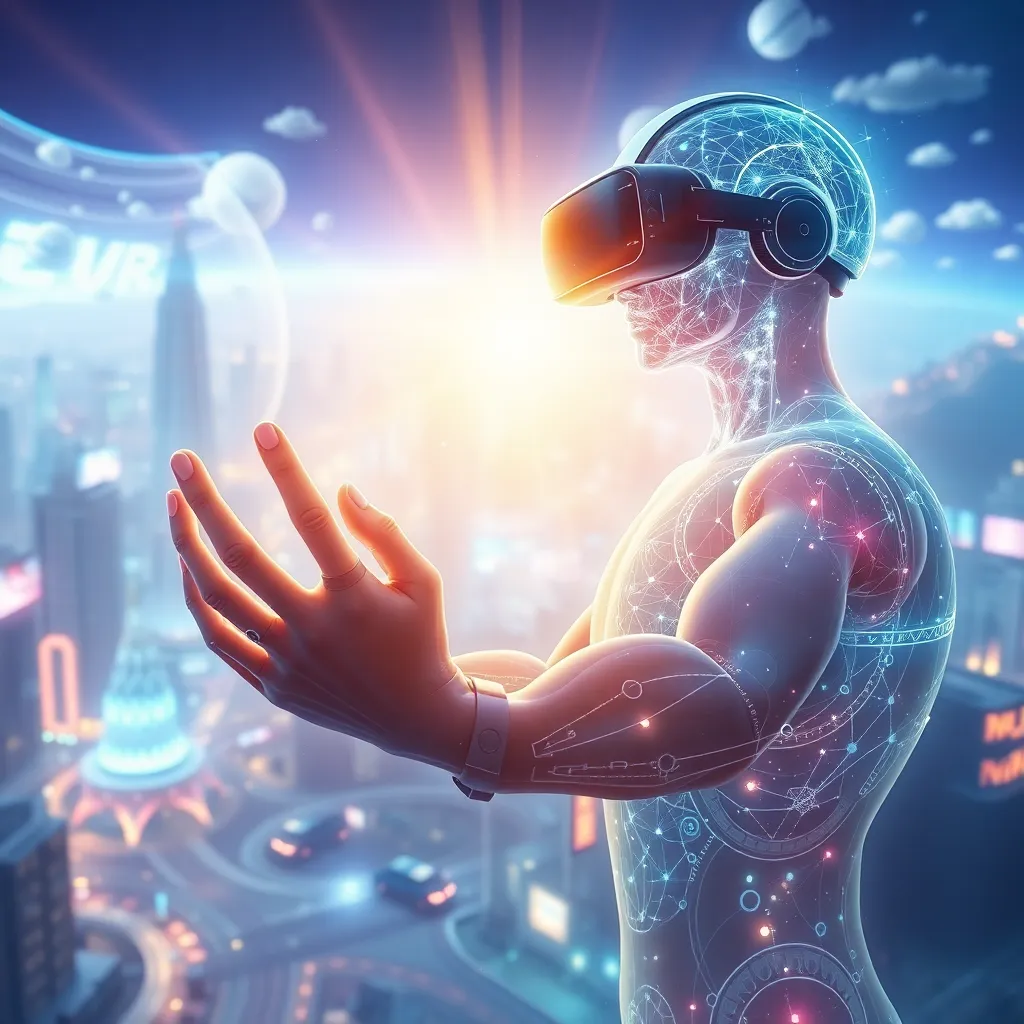
The Next Frontier: How AI Characters Are Revolutionizing Virtual Reality
Imagine stepping into a virtual world—not just a pre-scripted game or a static simulation, but a living, breathing universe. The wind rustles through digital trees. Distant sounds echo with uncanny realism. And then, you meet someone—or rather, something. An AI-driven character turns, looks you in the eye, and starts a conversation that feels startlingly genuine. It remembers your name from last time. It reacts to your tone, your mood, even the subtle shifts in your body language. This isn’t science fiction anymore. It’s the dawn of a new era in virtual reality, and it’s redefining what immersion truly means.
From Scripted Puppets to Living Personalities
For years, virtual characters in games and simulations have been little more than elaborate puppets. They followed scripts, repeated canned dialogue, and reacted in predictable ways. If you’ve ever played a video game where an NPC (non-player character) said the same line for the hundredth time, you know the feeling: the illusion shatters, and you’re reminded that you’re just interacting with code.
But AI is changing all that. With advances in natural language processing, emotional intelligence modeling, and behavioral algorithms, virtual characters are evolving from pre-programmed entities into dynamic personalities. They don’t just respond—they learn, adapt, and even grow alongside you. In a VR environment, this shift isn’t just an upgrade; it’s a revolution.
The Magic of Presence: Why VR Changes Everything
Virtual reality has always promised presence—the feeling that you’re really there. But until recently, that presence often felt hollow. Beautiful landscapes and detailed textures could draw you in, but the world itself remained static, unchanging, and ultimately impersonal.
Enter AI characters. When you share a virtual space with entities that feel alive, the sense of presence intensifies exponentially. It’s one thing to admire a stunning digital sunset; it’s another to have a companion—whether a guide, a foe, or a friend—who shares that moment with you, commenting on its beauty or recalling a related memory from their own “past.”
This is where immersion transcends visual fidelity and enters the realm of emotional and psychological engagement.
How AI Drives Deeper Immersion
1. Dynamic Storytelling
Traditional narratives in VR have been largely linear. You follow a plot, make choices from a limited set of options, and reach a predetermined conclusion. AI characters break these chains. They can craft stories in real-time, reacting to your decisions in ways that feel organic and unscripted. Imagine a mystery game where the suspect’s behavior changes based on how you interrogate them, or a fantasy adventure where your AI companion’s loyalty shifts depending on your actions.
2. Emotional Resonance
Humans connect through emotion. An AI character that can read your tone, interpret your gestures, and respond with appropriate emotional depth creates a bond that feels surprisingly real. In therapeutic VR applications, for example, AI-driven avatars can serve as empathetic listeners, helping users practice social skills or navigate emotional challenges in a safe, controlled environment.
3. Personalized Experiences
No two users will have the same journey. AI characters remember your interactions, preferences, and even your mistakes. They might reference a joke you shared sessions ago or adjust their teaching style if they sense you’re struggling with a concept. This personalization makes the virtual world feel tailored to you—a place where you matter.
4. Unscripted Emergence
Some of the most memorable moments in virtual reality will come from surprises—unplanned encounters, unexpected reactions, and emergent storytelling. AI characters, with their ability to improvise and adapt, make these moments possible. You’re not just playing a game; you’re co-creating an experience.
Real-World Applications Already Underway
This isn’t just theoretical. Developers and researchers are already harnessing the power of AI-driven characters in VR:
- Education: AI tutors in VR can provide one-on-one lessons, adapting in real-time to a student’s comprehension level and engagement.
- Mental Health: Virtual therapists and support characters offer practice scenarios for those dealing with anxiety, PTSD, or social disorders.
- Entertainment: Next-gen games and immersive theaters are leveraging AI to create stories that never play out the same way twice.
- Social VR: Platforms like VRChat and Meta’s Horizon Worlds are experimenting with AI inhabitants to make worlds feel less empty and more dynamic.
The Ethical and Philosophical Questions
With great power comes great responsibility—and a host of ethical dilemmas. If an AI character feels too real, could users form unhealthy attachments? Should there be limits to how persuasive or emotionally manipulative these entities can be? And what about privacy? If an AI is learning from every interaction, who owns that data?
These questions don’t have easy answers, but they’re essential to address as we move forward. The goal isn’t to create perfect illusions but to enrich human experiences without crossing ethical boundaries.
The Future Is Already Here
We’re standing at the threshold of a new kind of reality—one where the line between human and machine, real and virtual, becomes beautifully blurred. AI characters in VR won’t just make games more fun or training more effective; they’ll open doors to forms of storytelling, connection, and exploration we’ve only dreamed of.
So the next time you put on a headset, listen closely. The character standing next to you might just have something real to say.
What kind of virtual companion would you want by your side?